Dessert Charm Font Review
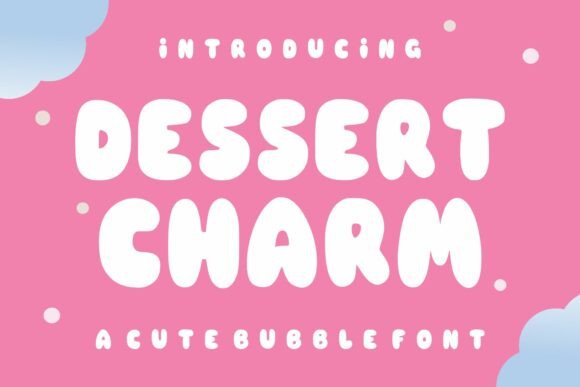
As I sat down to redesign the header for my lifestyle blog, I found myself drawn to a font that felt both playful and professional. Dessert Charm, a display font with a warm, approachable personality, became the perfect fit. Its soft curves and cheerful structure made it stand out without overpowering the design. For a brand that thrives on friendly, engaging content, this font offered just the right balance of character and clarity.
Dessert Charm for Blog Headers and Editorial Branding
Dessert Charm is ideal for blog headers where visual interest meets readability. Its rounded forms and gentle contrast make it easy on the eyes, even when used in larger sizes. As a display font, it brings a sense of whimsy that works well for topics like seasonal recipes, home decor tips, or wellness guides. When paired with a clean serif or sans serif body font, it creates a cohesive editorial identity that feels both modern and inviting.
For a lifestyle blog aiming to connect with its audience through relatable content, Dessert Charm adds a touch of personality without sacrificing professionalism. It’s especially effective in section headings, pull quotes, and featured article titles, where it can draw attention while maintaining a sense of warmth.
Dessert Charm for Recipe Ebooks and Printable Guides
When designing a recipe ebook, the font choice plays a crucial role in setting the tone. Dessert Charm fits perfectly into a collection of dessert recipes or holiday-themed cooking guides. Its friendly feel makes it an excellent choice for chapter openers, title pages, and decorative accents throughout the document. The font’s versatility allows it to work in both digital and print formats, making it a valuable asset for any food-related content creator.
For printable planners or worksheets, Dessert Charm can be used in headers or decorative elements to add a personal touch. However, it’s best reserved for short text rather than long paragraphs, as its expressive style may become less readable in dense blocks of copy.
Dessert Charm for Wedding Guides and Event Branding
Wedding guides often require a mix of elegance and charm, and Dessert Charm delivers that effortlessly. Its soft, rounded shapes lend themselves well to invitations, thank-you cards, and event signage. When used in a wedding guide or planning checklist, it adds a light-hearted, celebratory mood that complements the overall aesthetic.
As a display font, Dessert Charm can serve as a signature typeface for a couple’s branding or a boutique event planner’s materials. Its ability to convey warmth and joy makes it a strong choice for any project that aims to feel personal and heartfelt.
Dessert Charm for Newsletter Graphics and Social Media Posts
Newsletters and social media graphics benefit from fonts that are both eye-catching and easy to read. Dessert Charm works well in headlines, callout boxes, and promotional banners, offering a fresh, creative look that stands out without being overwhelming. Its playful yet refined style makes it suitable for brands targeting a younger, more casual audience.
In a newsletter header, it can provide a bold, memorable introduction to each issue. On social media, it enhances the visual appeal of posts, particularly those focused on lifestyle, food, or seasonal content. However, it’s important to ensure that the font size and spacing are adjusted for mobile readability, as smaller screens can sometimes make stylized fonts harder to decipher.
Dessert Charm for Digital Magazines and Content Layouts
Digital magazines often rely on typography to create a visually engaging experience. Dessert Charm excels in this context when used for cover art, section titles, or feature headlines. Its unique character helps differentiate content while maintaining a cohesive design language. When paired with a more neutral font for body text, it provides a clear visual hierarchy that guides readers through the layout.
For editorial layouts, Dessert Charm can be used to highlight key stories, introduce new sections, or add a decorative flourish to page corners. Its adaptability makes it a useful addition to any designer’s toolkit, especially when working on projects that require a blend of creativity and structure.